New curriculum available: Farming for People and Water
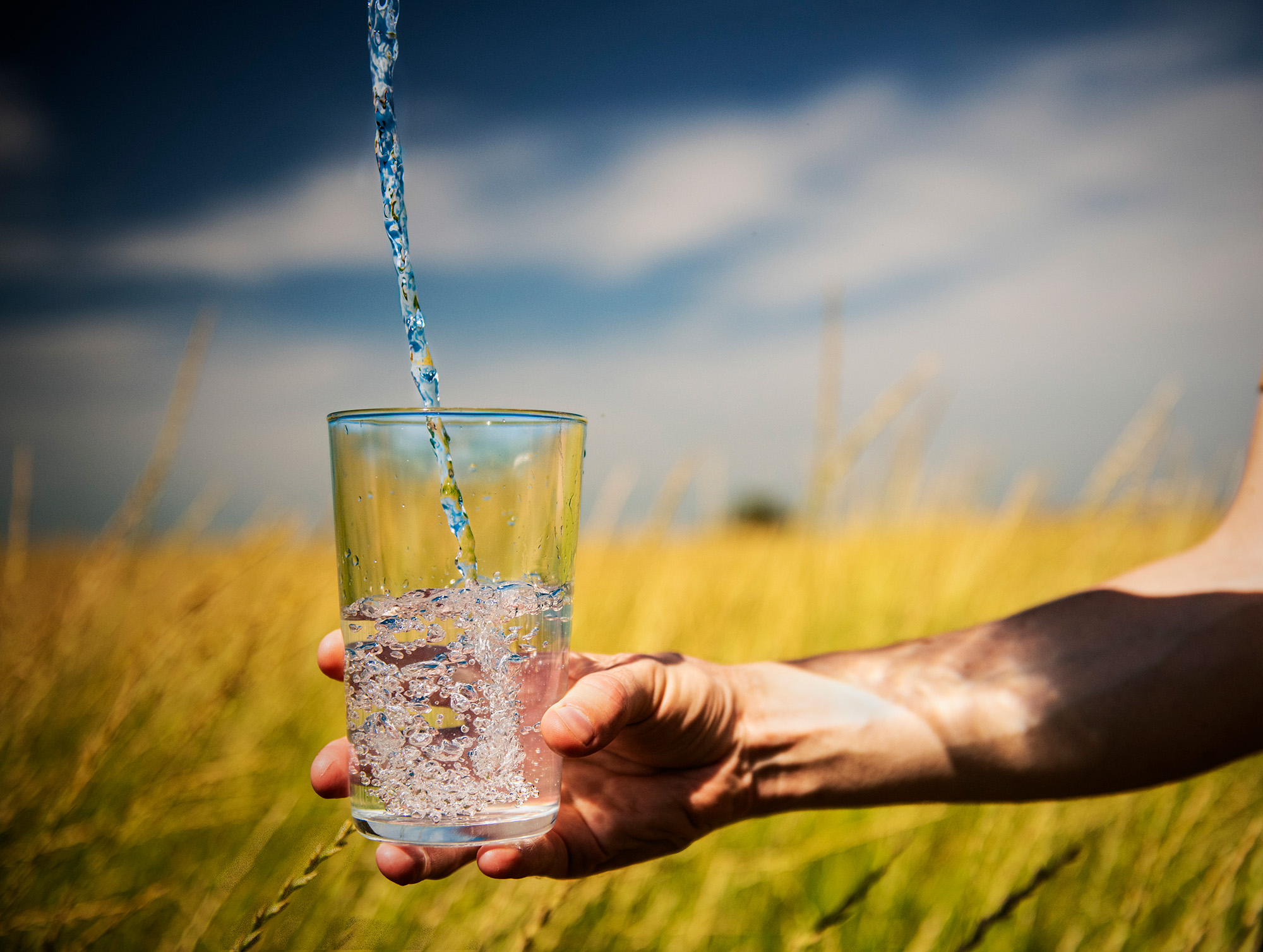
What we do on the land has a major impact on our waters. Our new curriculum helps students see how. (Photo by Dodd Demas)
Friends of the Mississippi River offers free downloadable curricula on topics like watersheds, erosion, wetlands and more.
Now we're excited to share our latest addition: the Farming for People and Water curriculum, designed to engage students in critical thinking about where food comes from, how people and communities are connected to water, and how farming can sustain both people and water.
Though created with teachers and other educators in mind, this curriculum on agriculture and water is available for anyone to download via the form below.
Complete the form to download the curriculum. Additional details about what the curriculum covers, and why, are available below. You can also learn more about FMR's education and volunteer opportunities for K-12 groups and individual youth.
Questions? Reach out to the FMR education team at education@fmr.org.
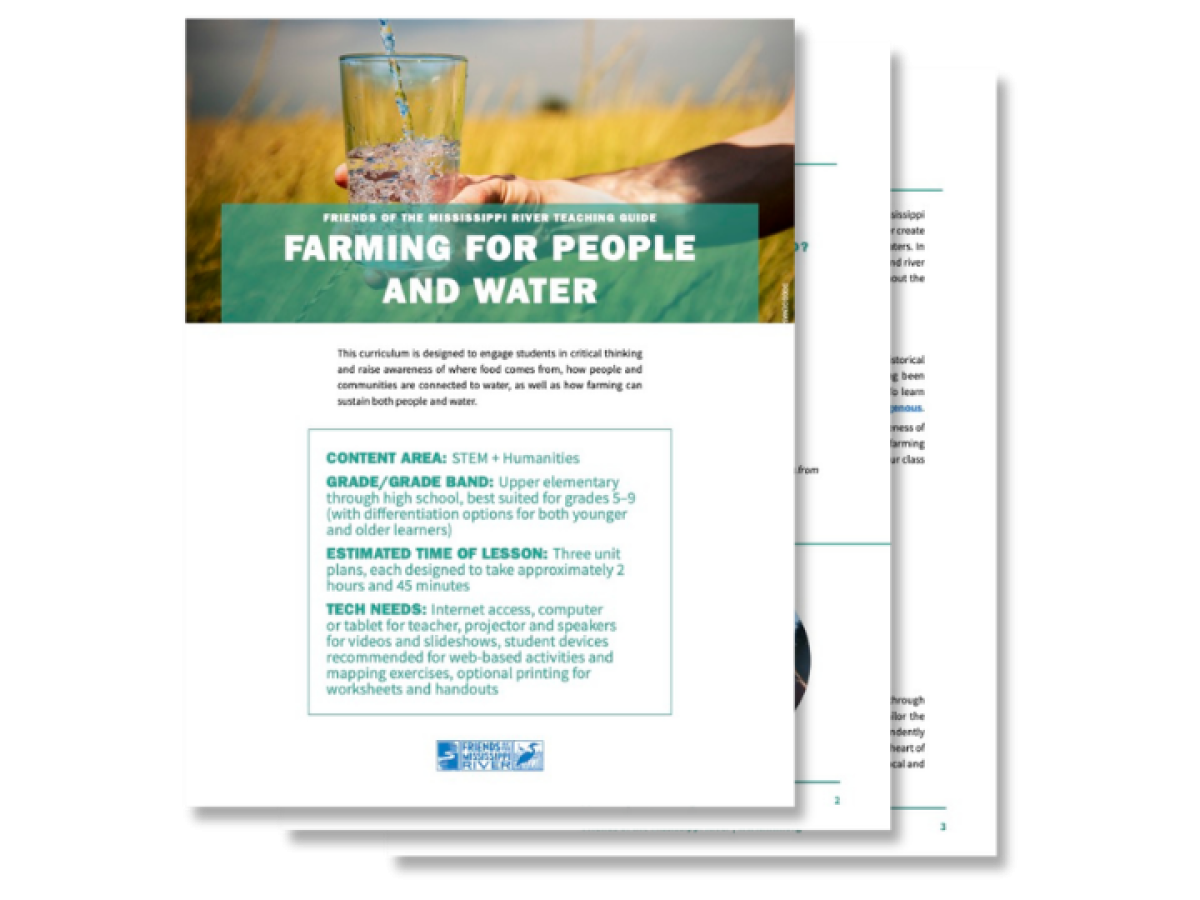
Download the curriculum
Why agriculture?
At Friends of the Mississippi River, we know that what we do on the land has a major impact on our waters. In fact, runoff from agricultural land is the main source of pollution to Minnesota’s groundwater and river systems. It’s a major cause of decline in habitat, soil health and pollinator populations throughout the Midwest. And it’s the biggest obstacle we face to achieving a clean, healthy Mississippi River.
This curriculum is part of FMR’s broader commitment to building knowledge, connection and care for the river, and to supporting the next generation of environmental stewards through hands-on, place-based learning.
What the curriculum covers
Farming for People and Water's three unit plans are rooted in Minnesota state science standards for students in grades five through nine. Here's what each unit covers.
Unite one: Where does your food come from?
Students think about and explore where food comes from and how food travels. Students will learn about food miles by learning the journey a banana takes from a plantation to their local grocery store. Students map where food items from home come from. Videos from local organizations bring the concept of eating locally to life.
Unit two: How are land and water connected?
Students learn the impact of traditional agriculture on water quality. They research the largest source of pollution to the Mississippi River and a root cause of unsafe nitrate levels in drinking water wells throughout the state. That pollution is also one of the main contributors to the dead zone, more than 2,000 miles away in the Gulf of Mexico. A hands-on experience or demonstration immerses students in the concept of erosion and runoff.
Unit three: Farming for people and water
Students learn about how people can make choices to decrease the runoff, including alternative agricultural practices such as cover crops. They will hear directly from local farmers who utilize sustainable agriculture. Students explore the benefits of community gardens and what local organizations are doing to make a difference. We hope that this curriculum helps your students build a connection with food, land use and the impact on water!
Thanks to our funders and partners
This curriculum was made possible by the generosity of The Cargill Foundation and was originally developed in partnership with Dr. Meg Cavalier. Thanks to all the inspiring educators and youth participants who have provided input and feedback to improve this curriculum.